
Your customers aren’t just searching anymore.
They’re asking AI what to buy.
“Best skincare brand for acne-prone skin.”
“Protein powder for beginners under ₹2000.”
“Ergonomic chair for 8-10 hour workdays.”
And instead of browsing 5-7 websites like they used to, they’re getting one consolidated answer, often with just 3-5 recommended brands.
For E-Commerce and D2C brands, that shift is massive.
Over 60% of shopping journeys begin with online research, and conversational AI usage for product discovery has grown rapidly across beauty, supplements, electronics, and lifestyle categories. At the same time, paid media costs have increased 20-40% in many D2C verticals over the last few years.
So brands are paying more to get traffic, while AI is influencing who even gets considered.
That’s not a content tweak. That’s a market shift.
Use Case 1: Skincare D2C Brand
A user asks:
“Best skincare brands for sensitive acne-prone skin in India.”
AI evaluates:
Ingredient transparency
Dermatologist validation
Skin-type clarity
Price positioning
Consistency across reviews and mentions

If your website clearly documents:
- Non-comedogenic ingredients
- Clinical backing or certifications
- Suitable skin types
- Active ingredient percentages
You increase your probability of being included in that shortlist.
If your messaging focuses only on “glow” and “radiance,” AI may not confidently associate your brand with acne treatment, even if that’s your core offering.
In high-consideration categories like skincare, where comparison drives conversion, missing that AI layer means losing visibility before the click.
Use Case 2: D2C Fitness & Supplement Brand
Query:
“Best protein powder for beginners trying to gain muscle.”
AI analyses:
Protein per scoop
Digestibility
Whey vs plant-based
Price per serving
Target audience clarity
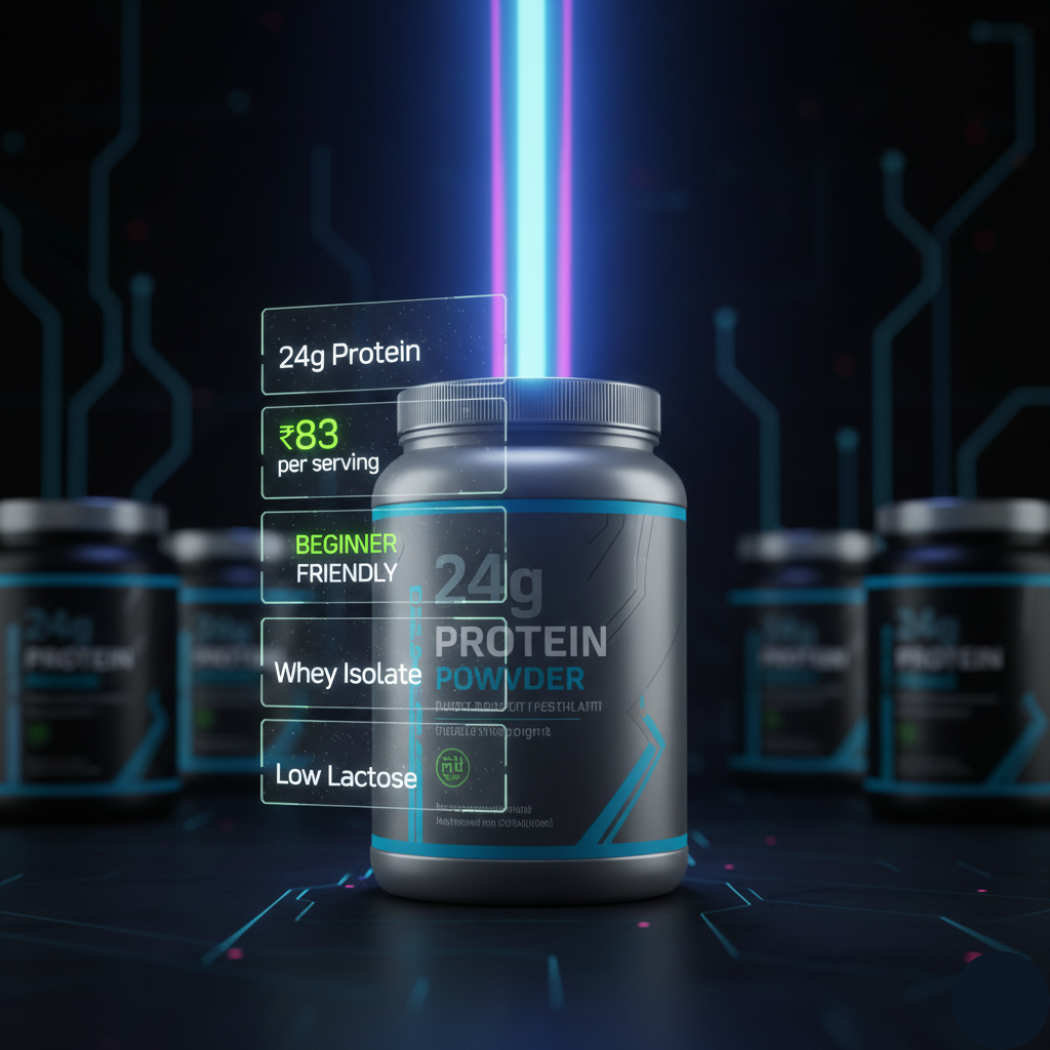
If your product pages clearly state:
Ideal for beginners
Protein content (e.g., 24g per scoop)
Suitable dietary profiles
Comparison with other variants
AI can extract and position you confidently.
But if that information is buried in long-form marketing copy, competitors with clearer structured data win.
In AI-generated answers, there may only be 3 brand mentions total. That concentration dramatically increases the value of inclusion.
Use Case 3: D2C Furniture Brand
Query:
“Best ergonomic chair for long work hours under ₹10,000.”
AI evaluates:
Lumbar support specs
Weight capacity
Adjustability
User type (WFH, gamers, office workers)
Price category

If your product page clearly highlights:
Designed for 8-10 hour sitting
Adjustable lumbar support
Breathable mesh for long use
Budget segment positioning
AI can confidently categorise your product.
If your description simply says “premium ergonomic comfort,” that’s not enough for extraction.
AI prioritises specificity over storytelling.
Why This Impacts Revenue
In traditional SEO, ranking position #3 versus #6 still meant traffic.
In AI-driven discovery, you may either be mentioned or not mentioned at all.
That binary visibility model increases competitive pressure.
At the same time:
D2C brands are seeing CAC increase
Ad auctions are becoming saturated
Organic social reach continues to decline
Consumers are seeking faster purchase decisions
AI compresses the research phase. That compression influences conversion paths.
If AI becomes the first layer of product evaluation, especially for comparison-heavy categories, brands optimised for AI inclusion gain early trust and intent advantage.
What Capturing the AI Market Means for E-Commerce
Capturing the AI market is not about chasing hype. It’s about adapting your structure.
It means:
Your product pages clearly define who the product is for.
Your features are measurable, not vague.
Your differentiation is documented consistently across platforms.
Your content mirrors real conversational buying queries.
Instead of optimising only for:
“Buy protein powder”
You align with:
“Protein powder for beginners”
“Best protein powder under ₹2000”
“Whey vs plant protein comparison”
Instead of targeting:
“Office chair”
You build authority around:
“Chair for back pain”
“Ergonomic chair for long hours”
“Best WFH chair under ₹10,000”
That’s conversational commerce optimisation.
The Strategic Reality
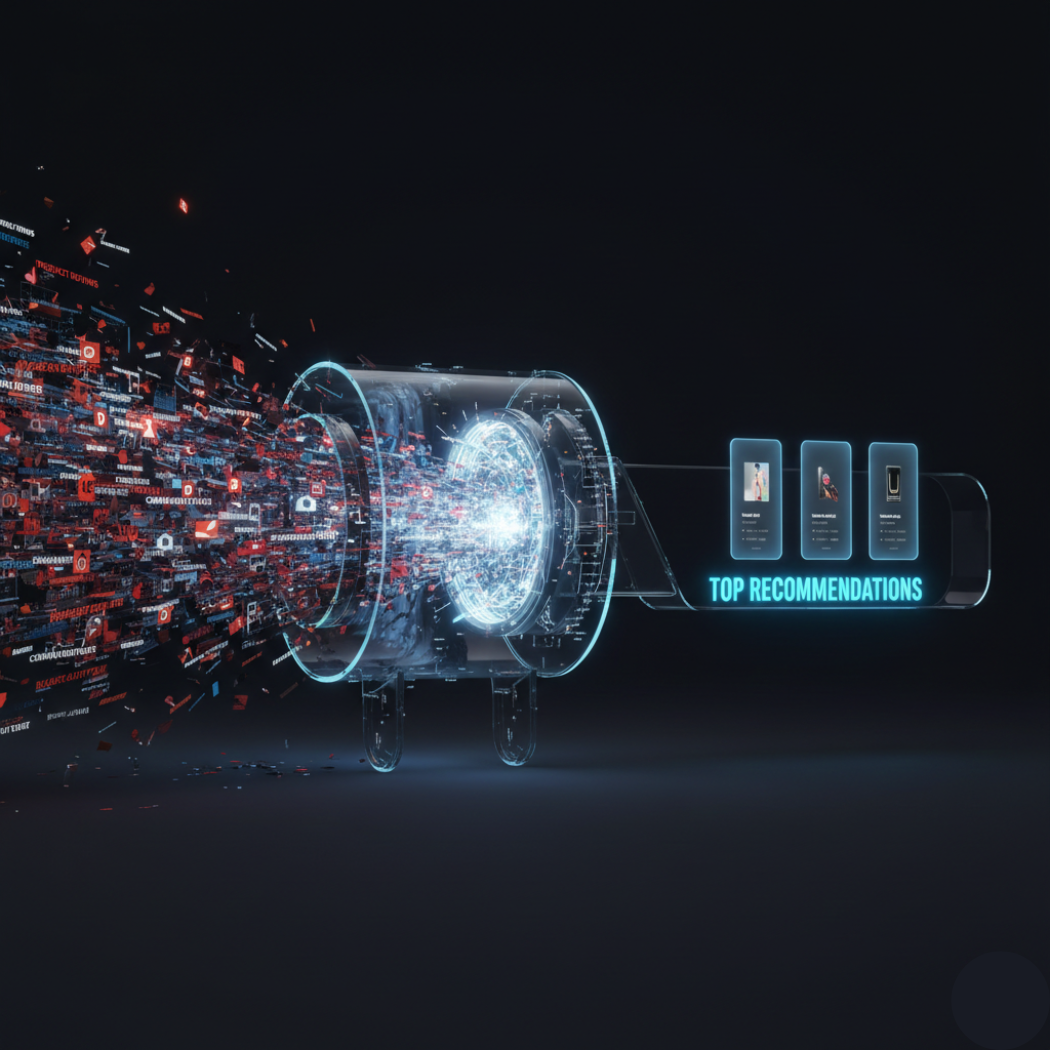
We are moving from a traffic-driven internet to a recommendation-driven one.
Search gave customers options.
AI gives them conclusions.
For E-Commerce and D2C brands, this changes competitive dynamics.
The brands that win won’t just have the biggest ad budgets.
They’ll be:
Clearly positioned
Structurally optimized
Contextually relevant
Consistently authoritative
Because in the AI era, visibility isn’t about ranking everywhere.
It’s about being one of the few brands AI confidently recommends.
And in high-intent buying moments, that recommendation drives revenue.