
The way people discover brands online is quietly but fundamentally changing.
Search is no longer just about typing keywords into Google and clicking blue links. Increasingly, users are asking AI systems direct questions and trusting the first answer they get. This shift is redefining SEO, content strategy, and brand visibility.
What we’re witnessing isn’t the death of SEO. It’s its evolution.
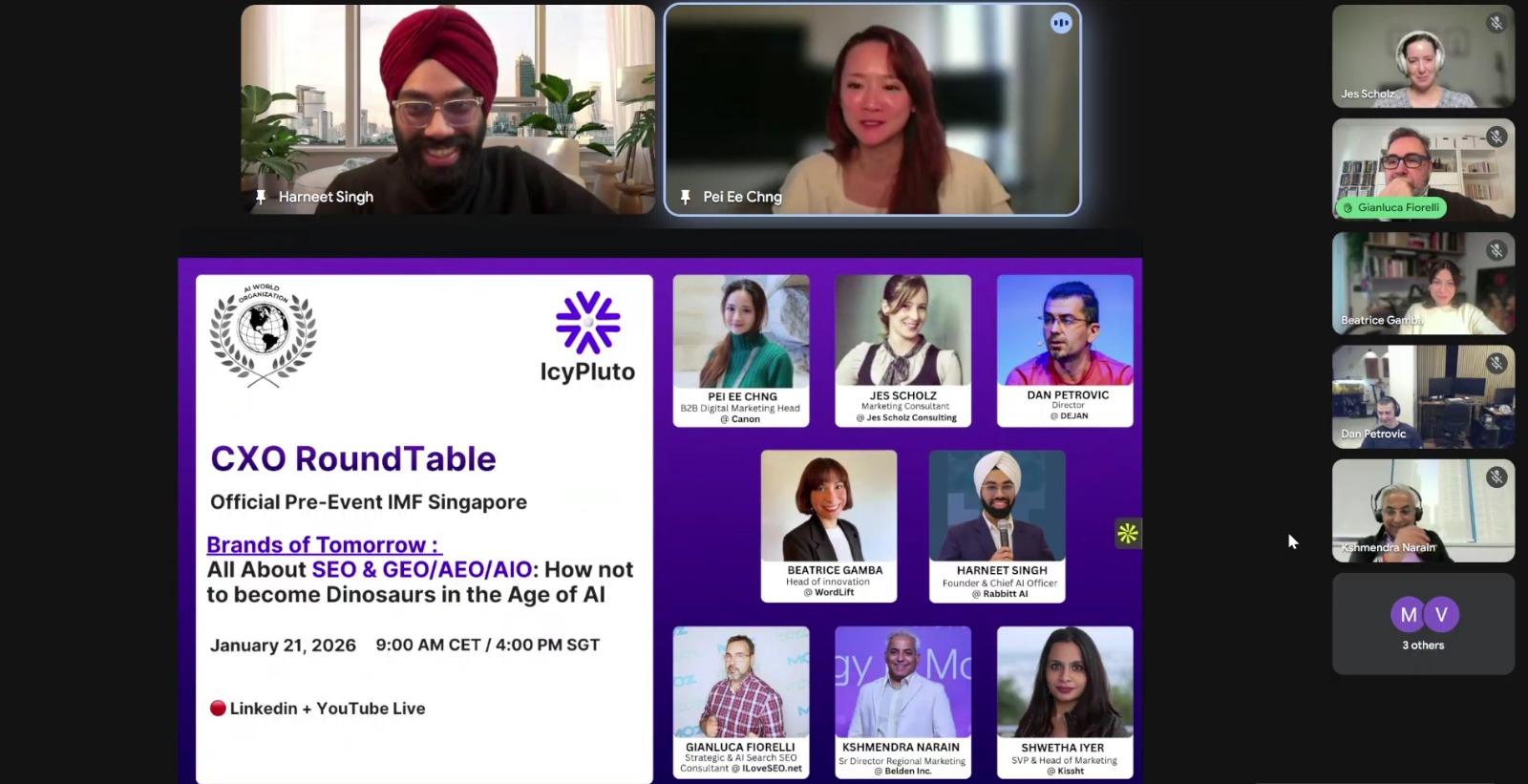
At a recent global roundtable on AI-Driven SEO and Market Visibility, industry leaders unpacked how AI is reshaping search, what brands must do differently, and why this moment levels the playing field for smaller players.
Here are the most important takeaways.
1. AI Has Democratized SEO
One of the most significant changes in the SEO landscape is accessibility.
AI technology was once the privilege of big enterprises with deep pockets. Today, it’s widely available. This has dramatically lowered the barrier to entry for advanced SEO and visibility strategies.
As Dan Petrovic highlighted, AI-powered SEO isn’t a separate industry. It’s an extension of what search engines have already been moving toward for years: neural matching, passage ranking, and entity understanding.
The result?
Smaller agencies and brands can now compete with dominant players
Visibility is less about brute-force link building and more about clarity, authority, and relevance
Context and entities matter more than exact-match keywords
SEO is no longer about gaming the system. It’s about helping AI understand who you are and what you truly offer.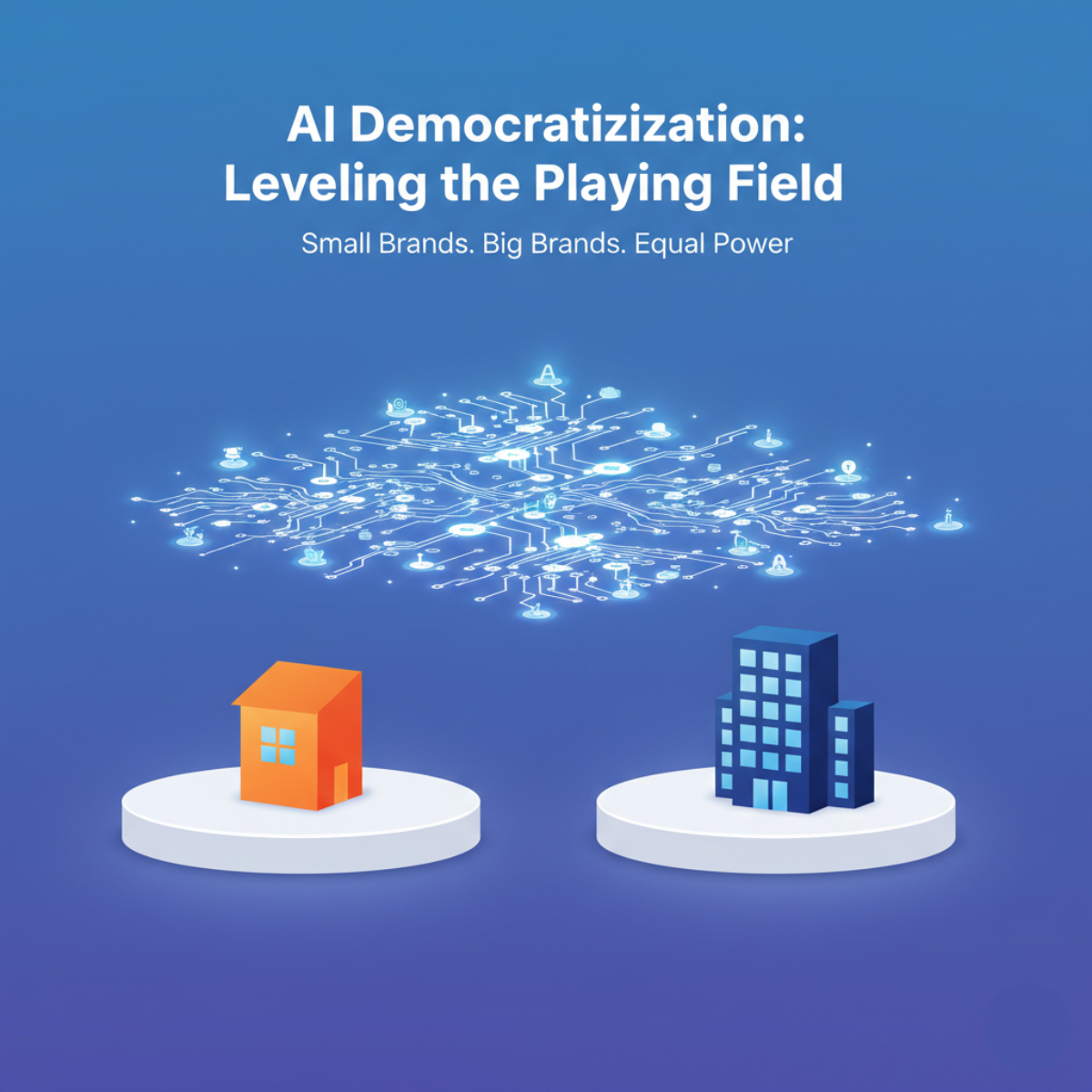
2. AI Search and Traditional SEO Must Coexist
AI search is not replacing traditional SEO overnight.
Instead, it’s becoming an additional discovery channel, much like how e-commerce didn’t eliminate physical stores, but expanded how customers shop.
As Kshmendra Narain explained, brands are at different stages of AI adoption depending on their audience, industry, and customer behaviour. The real challenge is meeting customers where they already are.
That means:
Continuing to invest in foundational SEO
Experimenting with AI-driven visibility
Adjusting strategies based on how users search, ask, and decide
Trust remains the common denominator. Whether through search engines, AI assistants, or content platforms, brands that earn trust win visibility.
3. Content Strategy Must Serve Humans and AI
Content creation is undergoing its biggest shift in over a decade.
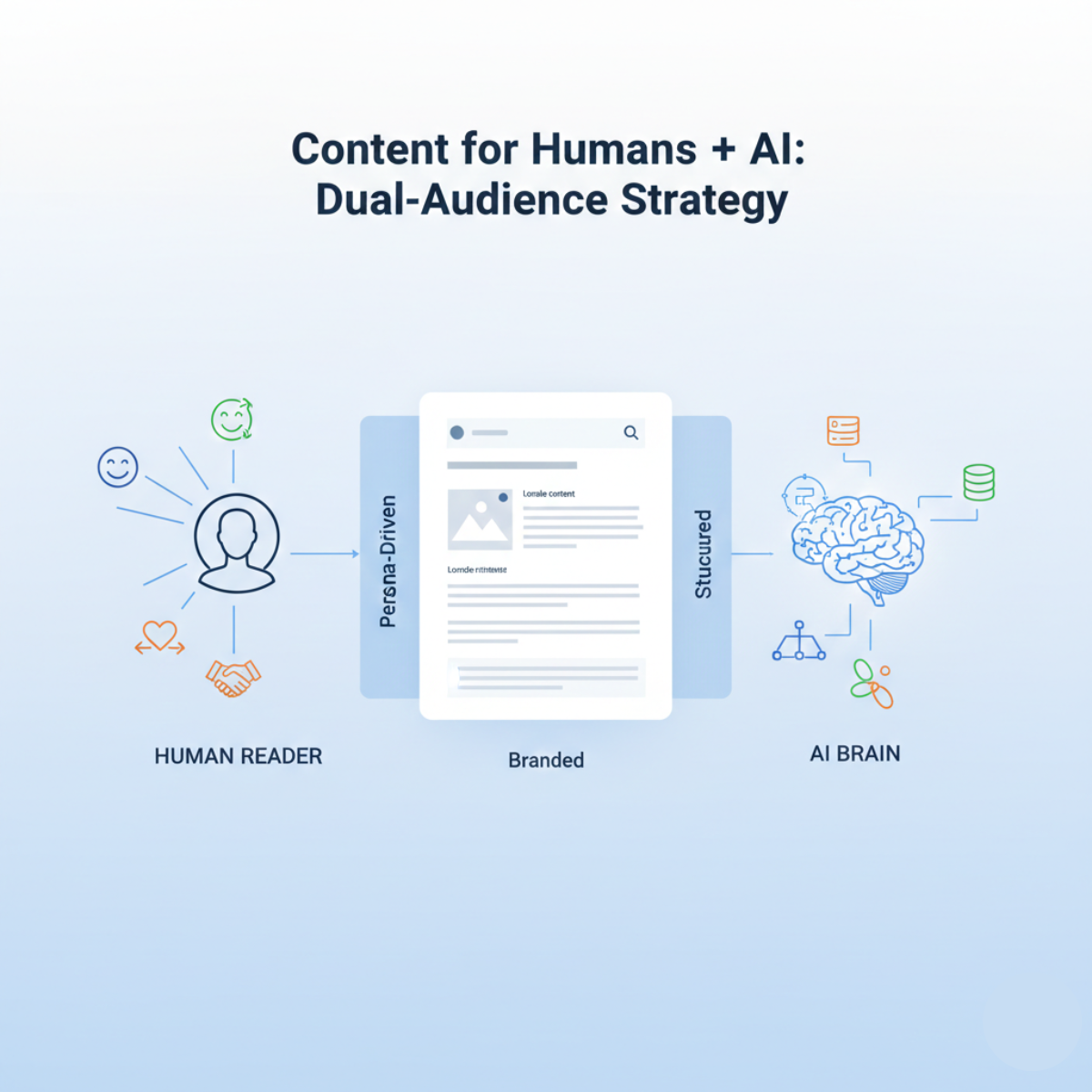
Brands now need content that works on two levels:
For humans: engaging, persuasive, and relevant
For AI: structured, contextual, and unambiguous
Persona-driven content has become essential. Instead of generic blogs written “for SEO”, brands must align content with buyer personas and stages of the customer journey.
Successful teams are:
Creating tightly focused, mono-semantic content
Using schema and structured data intentionally
Connecting content blocks into cohesive knowledge libraries
A standout example shared during the session showed how AI-assisted, human-reviewed content at scale, 800 articles in six months, helped a B2B brand grow visibility from zero, without sacrificing quality.
Velocity matters. But relevance matters more.
4. Branding Inside Content Is No Longer Optional
AI-generated answers often appear outside your website.
That creates a new risk: your content gets used, but your brand doesn’t get remembered.
Jes Scholz emphasised that brands must embed themselves directly into their content:
Mention brand names naturally within copy
Use consistent visual identity (logos, colours)
Ensure assets are unmistakably branded
This increases the chances that AI systems attribute insights correctly and that usersrecognisee where the information came from.
Without this, brands risk becoming invisible contributors to someone else’s answer.
5. New Metrics for a New Visibility Era
Traditional SEO KPIs are no longer enough.
AI-driven discovery requires new ways of measuring success.
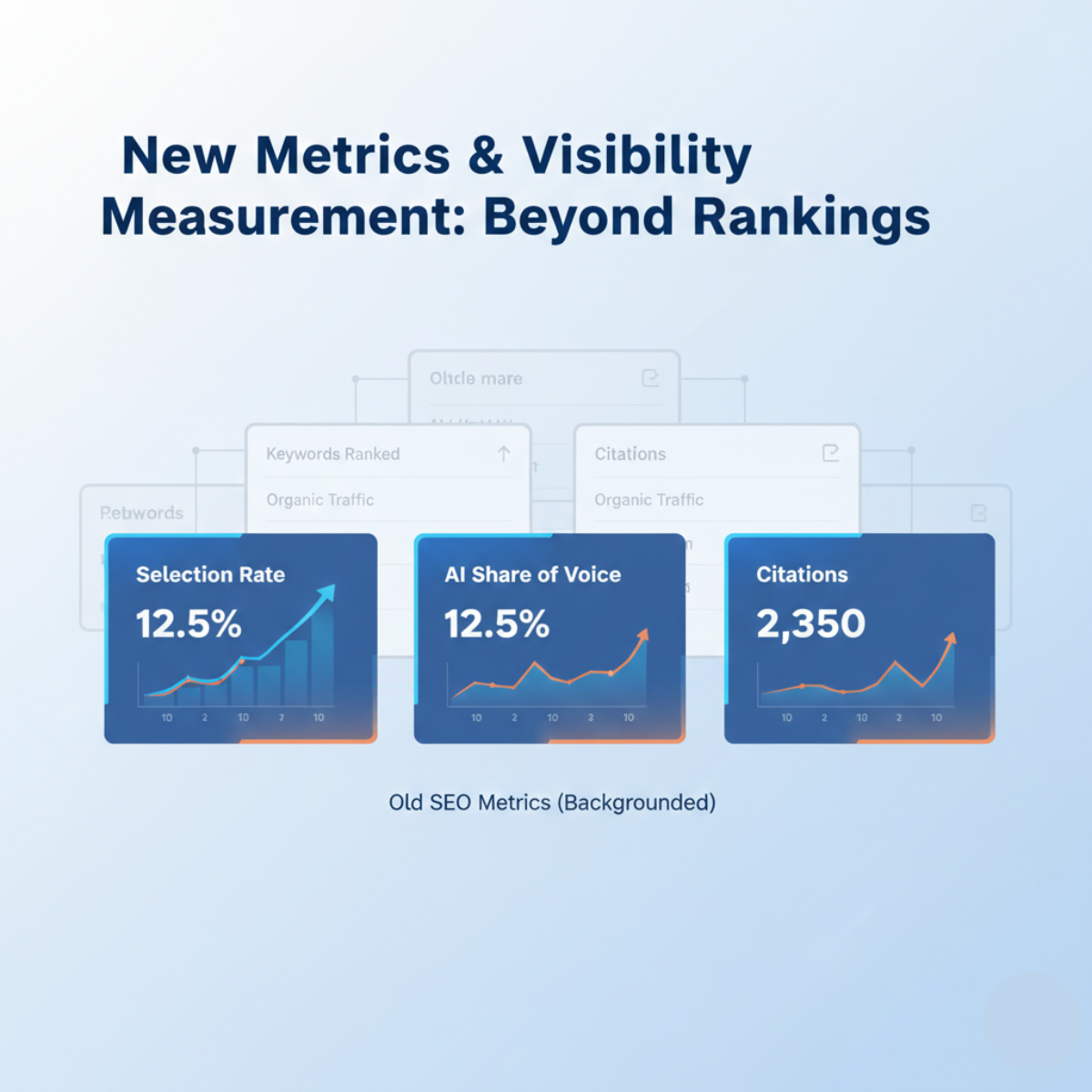
Some of the most important emerging metrics include:
- Selection rate: how often AI models choose your content to ground answers
- Citation presence: how frequently your brand is referenced vs competitors
- Share of voice across AI engines: visibility in tools like ChatGPT, Gemini, and Perplexity
These metrics offer a leading indicator of future market share, not just traffic.
Tracking them requires mining AI responses, analysing entity mentions, and building representative prompt sets. It’s more complex, but far more strategic.
6. The Role of SEOs and Content Marketers Is Expanding
SEO professionals are no longer just optimisers.
They’re becoming strategic partners, helping businesses understand complex search changes, guiding stakeholders, and shaping visibility strategy at an organisational level.
At the same time, content creators must evolve into credible entities:
Recognized expertise
Active digital presence
Genuine audience engagement
In many cases, the strongest content doesn’t come from marketing teams alone. It comes from internal experts: engineers, product leaders, and domain specialists, who bring authenticity and depth.
Internal advocacy is quickly becoming a competitive advantage.
7. Collaboration Will Define the Winners
AI-driven marketing is moving too fast for siloed thinking.
The strongest signal from the roundtable was clear: progress will come through collaboration.
Brands, agencies, technologists, and platforms must share insights, case studies, and experimentation frameworks to move the industry forward.
From joint research reports to technical masterclasses and advisory boards, the future of AI visibility will be shaped collectively, not in isolation.
Final Thought: SEO Isn’t Dying. It’s Growing Up.
AI hasn’t killed SEO.
It has forced it to mature.
Visibility today is about clarity, trust, entities, and intent, not tricks and shortcuts. Brands that understand this shift early will shape how AI answers questions tomorrow.
The opportunity is massive.
But only for those willing to evolve.